



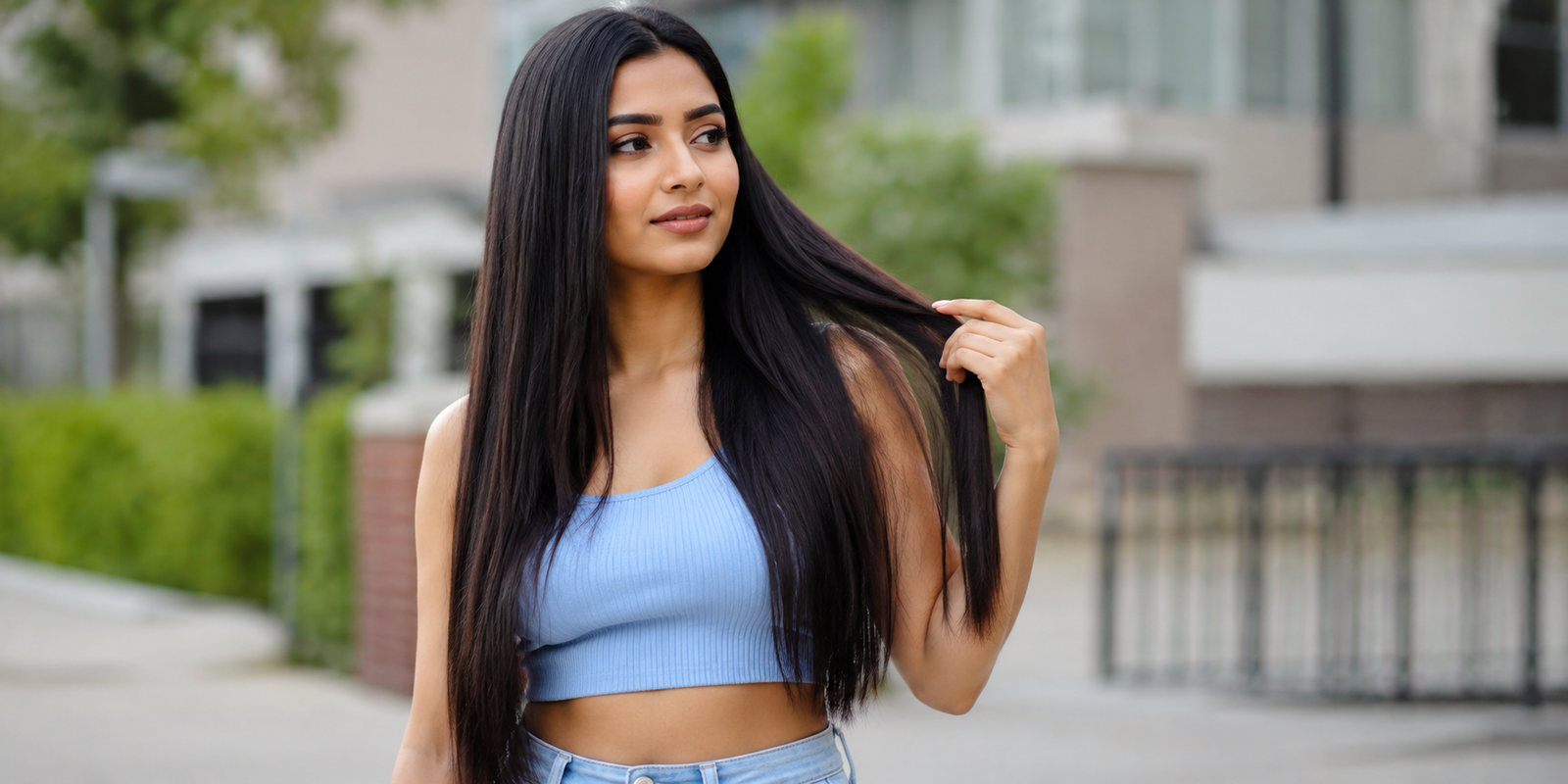
Rebonding hair is one of the most popular salon treatments for achieving sleek, smooth, and manageable hair. Whether you struggle with frizz, waves, or difficult-to-style curls, this treatment can transform your look for several months. However, understanding the procedure, benefits, risks, and proper aftercare is essential before making your decision.
What Is Rebonding Hair?
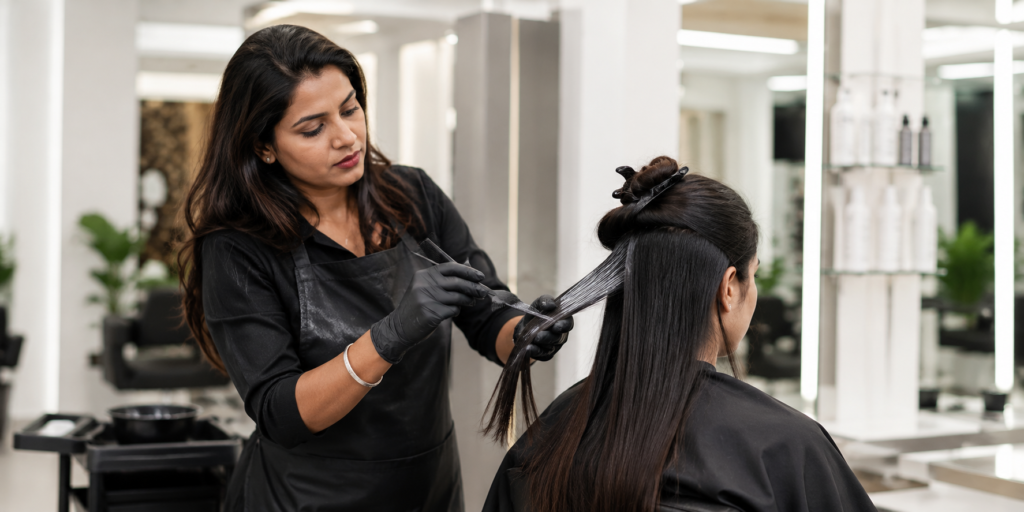
Rebonding hair is a chemical treatment that permanently changes your hair’s natural structure to create a straighter appearance. During the process, the hair bonds are broken using a chemical solution and then rebuilt in a straight position with a neutralizer.
The treatment usually takes between three and six hours, depending on your hair length and thickness. Professional salons use high-quality products to minimize damage while delivering smooth and glossy results.
Benefits of Rebonding Hair
Many people choose this treatment because it offers long-lasting results compared to daily straightening with heat tools.
Some major advantages include:
- Smooth and silky appearance
- Reduced daily styling time
- Better control over frizzy hair
- Long-lasting straight finish
- Glossy and polished look
However, the results depend on your hair type, the products used, and your maintenance routine.
| Feature | Rebonding Hair |
|---|---|
| Results | Permanent on treated hair |
| Styling Time | Very low |
| Hair Finish | Smooth and straight |
| Salon Time | 3–6 hours |
| Maintenance | Moderate |
Who Should Choose This Treatment?
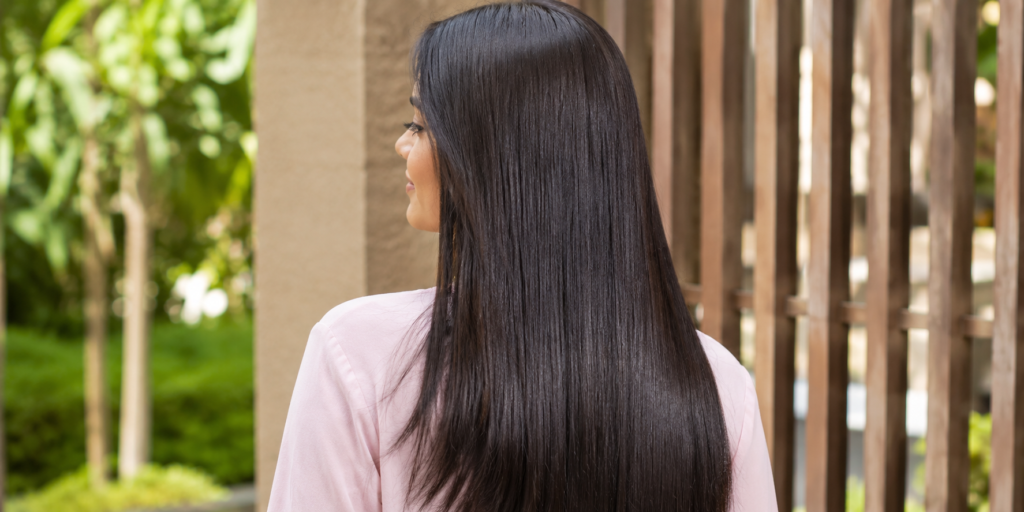
Rebonding works best for people with thick, wavy, or frizzy hair who want a sleek appearance every day. If you spend a lot of time using straighteners, this treatment can simplify your routine.
However, individuals with severely damaged, bleached, or over-processed hair should consult an experienced stylist first. A hair health assessment helps determine whether the treatment is suitable or if restorative care is needed before proceeding.
Rebonding Hair Process
The process follows several carefully planned steps to protect the hair while achieving the desired finish.
Hair Assessment
A stylist examines the condition of your hair and scalp to ensure it is healthy enough for treatment.
Chemical Application
The hair softening cream breaks the natural bonds inside the hair shaft.
Straightening
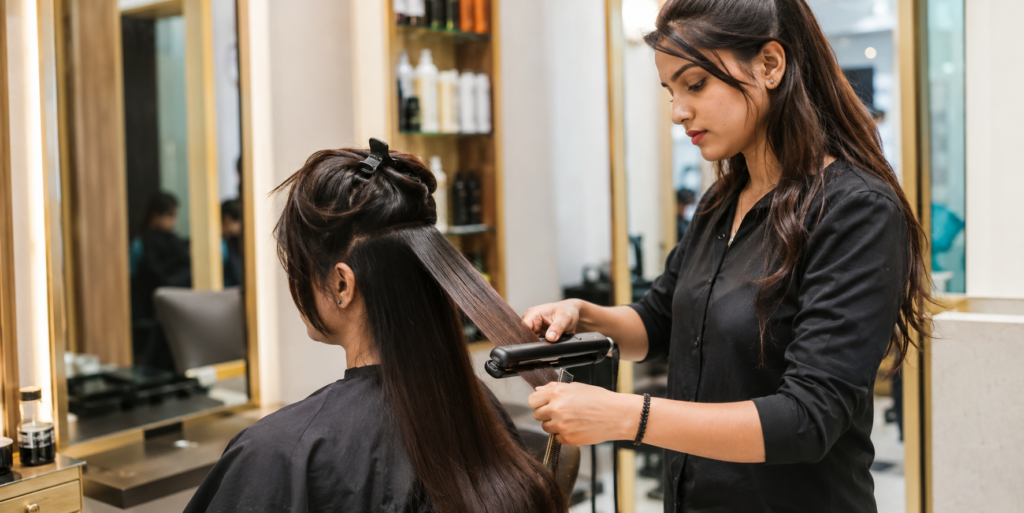
Each section is carefully flat-ironed to lock the hair into its new straight shape.
Neutralizing
A neutralizer rebuilds the hair bonds and stabilizes the new structure.
Final Wash
The stylist rinses, conditions, and styles the hair for a smooth finish.
Rebonding Hair Aftercare Tips
Proper maintenance determines how long your treatment lasts. The first few weeks are especially important.
Avoid washing your hair for at least 72 hours after the procedure. During this period, avoid tying your hair or placing it behind your ears because these actions may create unwanted bends.
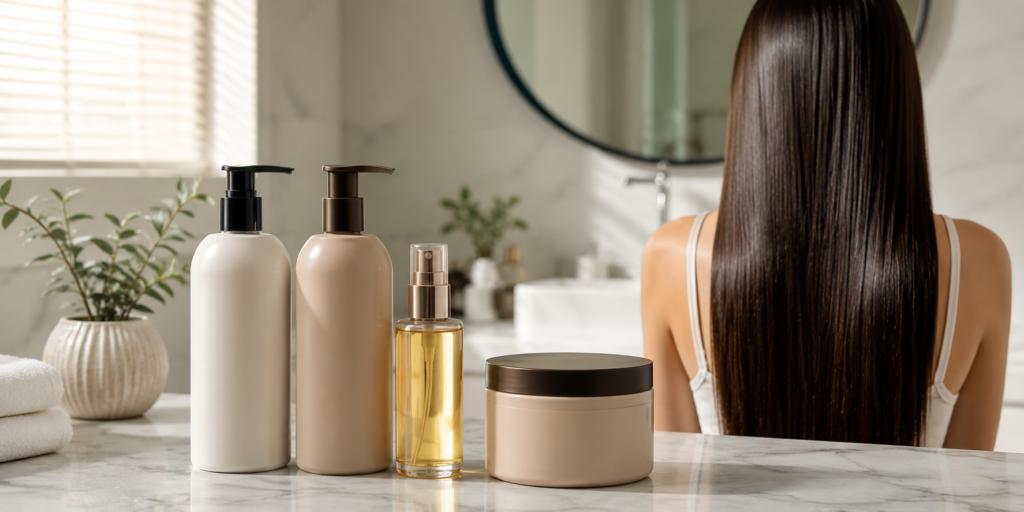
Use sulfate-free shampoo and conditioner specifically designed for chemically treated hair. In addition, apply a nourishing hair mask once every week to restore moisture.
Heat styling should also be minimized because excessive heat may weaken chemically treated strands. Regular trims every six to eight weeks help remove split ends and maintain a healthy appearance.
Common Mistakes to Avoid
Many people unknowingly reduce the lifespan of their treatment by making simple mistakes.
Avoid swimming in chlorinated water immediately after rebonding. Furthermore, do not color your hair right after the treatment because additional chemicals may increase damage.
Skipping conditioner, washing with hot water, or using harsh shampoos can also make your hair dry and brittle. Instead, maintain a gentle hair care routine and follow your stylist’s recommendations.
Conclusion
Rebonding hair can be an excellent choice for anyone looking for smooth, straight, and manageable hair with long-lasting results. While the treatment delivers impressive transformation, proper aftercare plays an equally important role in maintaining softness, shine, and overall hair health. Choosing an experienced stylist, using quality hair care products, and following a consistent maintenance routine will help you enjoy beautiful results for months.
Most treatments last between 6 and 12 months, depending on hair growth, maintenance, and the products you use after the treatment.
Yes. After the initial waiting period, you can apply lightweight hair oil once or twice a week to maintain moisture and reduce dryness.
Not always. Very damaged or heavily bleached hair may require repair treatments before rebonding to reduce the risk of breakage.