



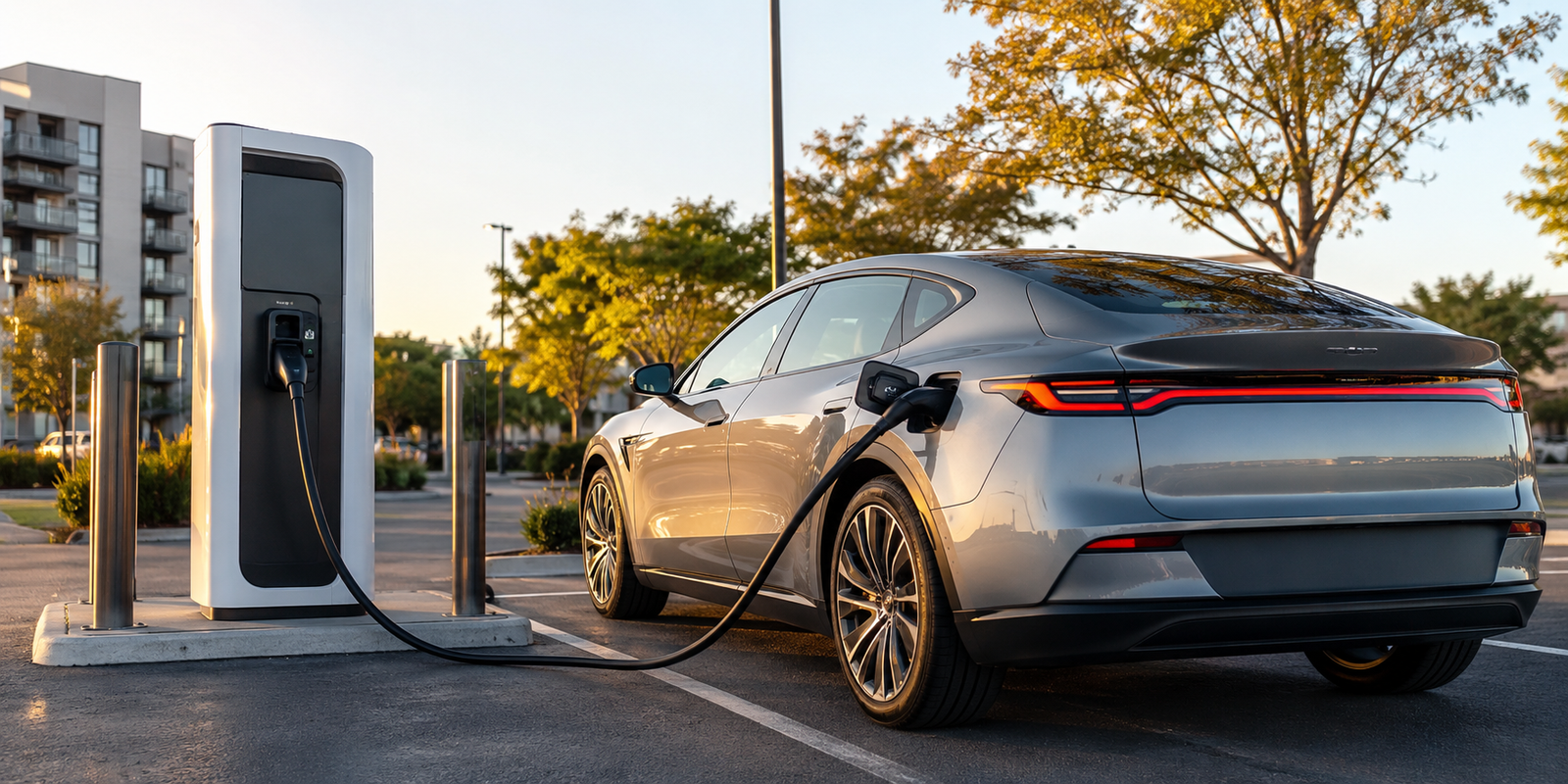
Electric cars are transforming the automotive industry by offering cleaner transportation, lower running costs, and advanced driving technology. Modern EVs now provide longer driving ranges, intelligent safety systems, and faster charging than ever before. Whether you are buying your first electric vehicle or planning to upgrade from a petrol or diesel car, understanding the latest features can help you make a smarter investment.
Unlike traditional fuel-powered vehicles, electric cars run on rechargeable batteries and produce zero tailpipe emissions. They also require less routine maintenance because they have fewer moving parts. As charging infrastructure continues to expand, owning an electric vehicle has become more practical for daily commuting as well as long-distance travel.
Why Electric Cars Are Becoming More Popular
The demand for electric cars has increased significantly over the past few years. Rising fuel prices, growing environmental awareness, and government incentives have encouraged many buyers to switch to electric mobility. In addition, manufacturers are introducing models across different price ranges, making EVs accessible to more consumers.
Today’s electric vehicles are designed for convenience. Many models include connected smartphone apps that allow owners to monitor battery levels, schedule charging sessions, and even pre-cool or pre-heat the cabin before starting a journey. These features improve the overall driving experience while helping users manage energy efficiently.
Advanced Features in Modern Electric Cars
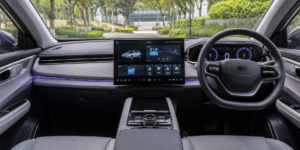
Modern electric cars are equipped with technologies that improve safety, comfort, and driving performance. Large touchscreen infotainment systems, digital instrument clusters, voice assistants, wireless software updates, and smartphone connectivity have become common across many new EV models.
Many electric vehicles also include advanced driver assistance systems. Features such as adaptive cruise control, lane keeping assistance, automatic emergency braking, blind-spot monitoring, and 360-degree cameras make driving safer and more comfortable. These smart technologies help reduce driver fatigue during long journeys while improving overall road safety.
Better Range and Battery Technology
Battery technology has improved dramatically over the last few years. Many modern electric cars now offer driving ranges that comfortably meet the needs of daily commuters as well as frequent travelers. Depending on the model and battery capacity, some EVs can travel hundreds of kilometers on a single charge.
Manufacturers are also introducing faster charging solutions. DC fast chargers can recharge a significant portion of the battery within a short time, making long-distance travel more convenient. Home charging systems have also become easier to install, allowing owners to recharge overnight and start each day with a full battery.
In addition to longer range, battery management systems help optimize performance by regulating temperature and charging efficiency. This improves battery lifespan while maintaining consistent performance across different weather conditions.
Electric Cars vs Petrol Cars
Choosing between an electric car and a petrol car depends on your driving habits, budget, and long-term expectations. While petrol vehicles are still common, electric cars are becoming a practical option because of lower running costs and modern technology.
The table below highlights the main differences.
| Feature | Electric Cars | Petrol Cars |
|---|---|---|
| Running Cost | Lower | Higher |
| Fuel Source | Electricity | Petrol |
| Maintenance | Less frequent | More frequent |
| Tailpipe Emissions | Zero | Produces emissions |
| Driving Experience | Quiet and smooth | Engine noise present |
| Instant Acceleration | Yes | Moderate |
| Charging/Fueling Time | Charging required | Quick refueling |
Although electric cars may have a higher purchase price, many owners recover part of the cost through fuel savings and lower maintenance expenses over time.
How to Choose the Right Electric Car
Before buying an electric vehicle, compare several factors instead of looking only at the price. A little research can help you select a model that matches your lifestyle and daily driving needs.
Check the Driving Range
Choose a vehicle with enough range for your regular travel. If you frequently drive long distances, a long-range battery can reduce the number of charging stops.
Look at Charging Options
Find out whether you can install a home charger and check the availability of public charging stations in your city or on your usual travel routes.
Compare Safety Features
Modern electric cars often include advanced safety technologies. Look for features such as:
- Adaptive cruise control
- Automatic emergency braking
- Lane keeping assist
- Blind spot monitoring
- Multiple airbags
- 360-degree camera
These features improve both safety and driving comfort.
Review Battery Warranty
The battery is the most valuable part of an EV. Always compare:
- Battery warranty period
- Expected battery life
- Service network
- Replacement support
A strong warranty offers greater peace of mind for long-term ownership.

The Future of Electric Cars
Electric mobility continues to evolve every year. Manufacturers are introducing vehicles with improved batteries, longer driving ranges, and smarter software. Fast-charging technology is reducing waiting times, while connected features make driving more convenient than ever.
Governments around the world are also investing in charging infrastructure and encouraging the adoption of cleaner transportation. As battery production becomes more efficient, electric cars are expected to become more affordable for a wider range of buyers.
For consumers, this means better choices, improved reliability, and lower ownership costs in the coming years.
Conclusion
Electric cars are no longer just an alternative to conventional vehicles—they are becoming the future of personal transportation. With advanced safety systems, intelligent connectivity, improved battery technology, and better driving range, today’s EVs offer excellent value for both city commuting and long-distance travel.
Before making your purchase, compare battery range, charging options, safety features, warranty coverage, and long-term running costs. Taking the time to evaluate these factors will help you choose an electric car that fits your needs and delivers a reliable ownership experience for years to come.