



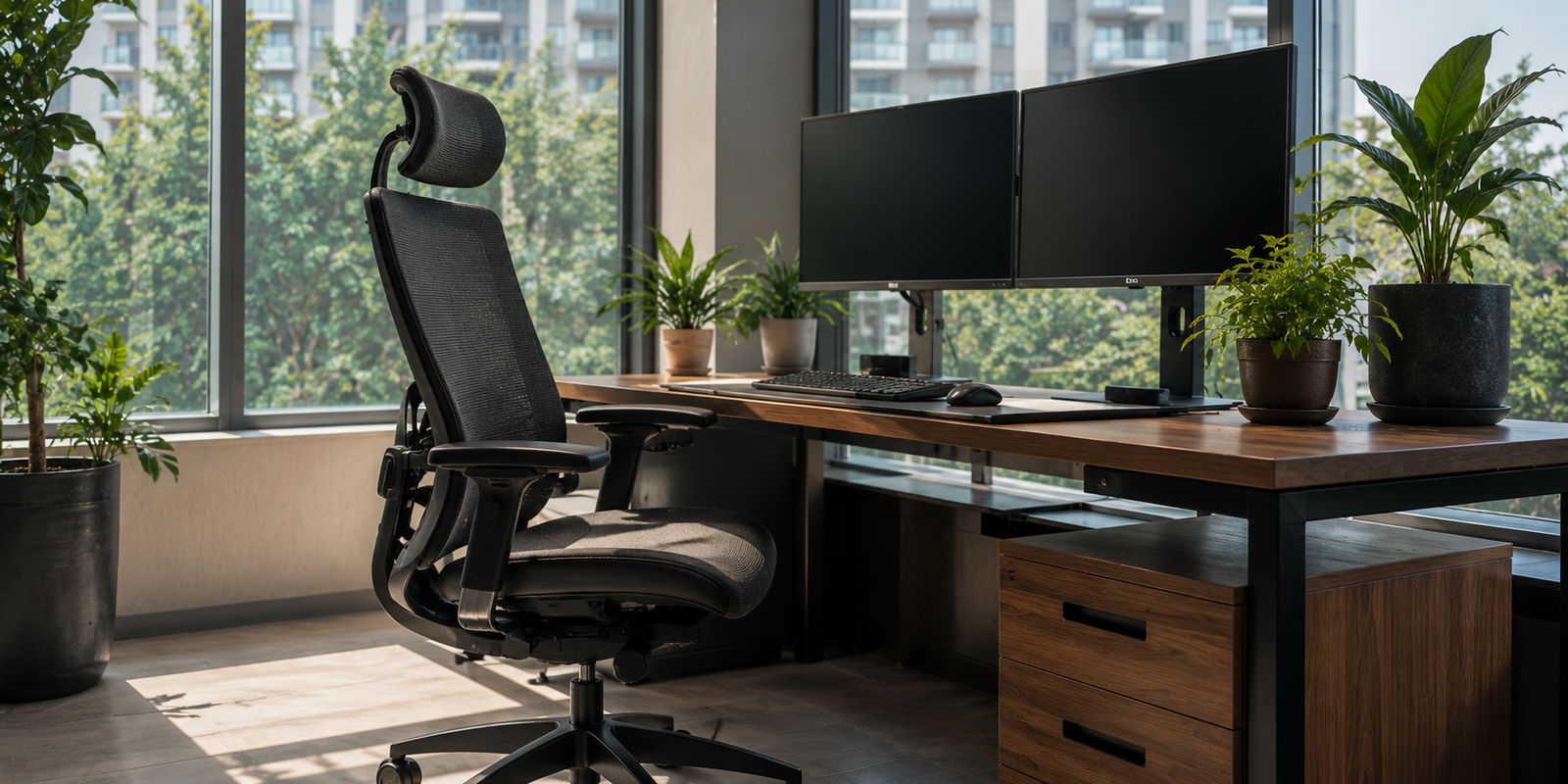
The office chair you use every day plays a major role in your comfort, posture, and overall productivity. Whether you work in a corporate office or from home, sitting for long hours in an uncomfortable chair can lead to back pain, neck stiffness, and reduced concentration. On the other hand, a well-designed ergonomic chair supports your body properly, helping you stay comfortable and focused throughout the day.
Many people spend more time choosing laptops or desks than selecting a quality chair. However, your chair is the one piece of furniture that supports your body for several hours every day. Investing in the right office seating is not just about luxury—it is an investment in your health, efficiency, and long-term well-being.
Modern office chairs are designed with adjustable features, breathable materials, and lumbar support that encourage better posture. These improvements can significantly reduce physical strain while making daily work more enjoyable. If you are planning to upgrade your workspace, understanding what makes a good office chair will help you make a smarter buying decision.
Why an Office Chair Matters
An office chair is much more than a place to sit. It directly affects your posture, comfort, and work performance. Sitting in the wrong position for extended periods places unnecessary pressure on your spine, shoulders, and hips. Over time, this can lead to muscle fatigue, poor circulation, and chronic discomfort.
A quality ergonomic office chair helps maintain the natural curve of your spine while providing balanced support for your entire body. As a result, you can work longer without feeling exhausted. Moreover, better posture often improves concentration because your body experiences less physical stress.
Employees who use supportive office chairs frequently report fewer aches and greater productivity. Whether you spend four hours or ten hours at your desk, proper seating makes a noticeable difference in your daily routine.
Benefits of Using an Ergonomic Office Chair
- Supports healthy posture
- Reduces lower back pain
- Improves blood circulation
- Increases productivity
- Minimizes shoulder and neck strain
- Provides better comfort during long work sessions

Essential Features of a Good Office Chair
Not every office chair offers the same level of comfort. Therefore, understanding the most important features before making a purchase can save both money and future health problems.
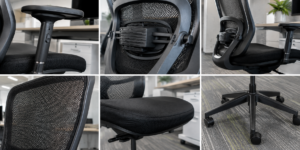
The first feature to consider is adjustable lumbar support. This supports the lower back and helps maintain the natural shape of your spine. Secondly, seat height adjustment ensures your feet remain flat on the floor, which improves circulation and reduces pressure on your knees.
Breathable mesh backrests are another popular feature because they improve airflow and keep users comfortable during long working hours. In addition, adjustable armrests reduce stress on the shoulders by allowing your arms to rest naturally while typing.
High-density seat cushioning also plays a significant role in long-term comfort. Unlike cheaper foam that compresses quickly, premium cushioning maintains support even after years of daily use.
A sturdy metal base, smooth caster wheels, and a reliable tilt mechanism further improve durability and flexibility, making the chair suitable for different work styles and body types.
How to Choose the Right Office Chair
Selecting the right office chair depends on your body type, daily working hours, and workspace requirements. A chair that feels comfortable for a few minutes in a showroom may not provide enough support during an eight-hour workday. Therefore, always prioritize ergonomics over appearance.
Start by checking whether the chair allows multiple adjustments. The seat height should let your feet rest flat on the floor while your knees remain at roughly a 90-degree angle. Likewise, the backrest should support the natural curve of your spine, and the armrests should keep your shoulders relaxed instead of raised.
If you work from home, choose a chair that fits your desk height and room size. For office environments, durability and breathable materials are equally important because the chair will be used for long hours every day.
Office Chair Comparison Table
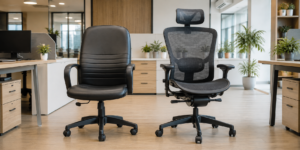
| Feature | Basic Office Chair | Ergonomic Office Chair |
|---|---|---|
| Lumbar Support | Fixed | Adjustable |
| Seat Height | Limited Adjustment | Multiple Height Levels |
| Armrests | Fixed | Fully Adjustable |
| Backrest | Standard | Ergonomic Curved Design |
| Comfort for Long Hours | Moderate | Excellent |
| Best For | Short Daily Use | Extended Professional Use |
Tips to Adjust Your Office Chair Properly
Even the best office chair cannot deliver maximum comfort if it is not adjusted correctly. Begin by setting the seat height so your elbows remain level with your desk while typing. Your feet should stay flat on the floor without putting pressure on the back of your legs.
Next, adjust the lumbar support until it fits naturally against your lower back. Position your monitor at eye level so you do not bend your neck forward. In addition, keep your wrists straight while using the keyboard to reduce strain on your hands.
It is also a good habit to stand up, stretch, or walk for a few minutes every hour. Small movement breaks improve blood circulation and reduce muscle stiffness, even when you have an ergonomic chair.

Office Chair Maintenance Guide
Regular maintenance keeps your office chair comfortable and extends its lifespan. Dust and dirt often collect around the caster wheels, making movement less smooth. Cleaning them every few weeks helps maintain easy mobility.
If your chair has mesh fabric, vacuum it occasionally to remove dust particles. Leather chairs should be cleaned with suitable conditioning products to preserve their finish. You should also tighten loose screws and inspect moving parts from time to time.
Avoid exceeding the recommended weight capacity, as this can reduce the durability of the chair. With proper care, a premium office chair can provide reliable support for many years.

Conclusion
Choosing the right office chair is one of the smartest investments you can make for your health and productivity. A chair with ergonomic support, adjustable features, and quality materials helps reduce fatigue while encouraging better posture throughout the day. By selecting a chair that suits your needs and maintaining it properly, you can create a healthier, more comfortable workspace that supports both your physical well-being and work performance.