



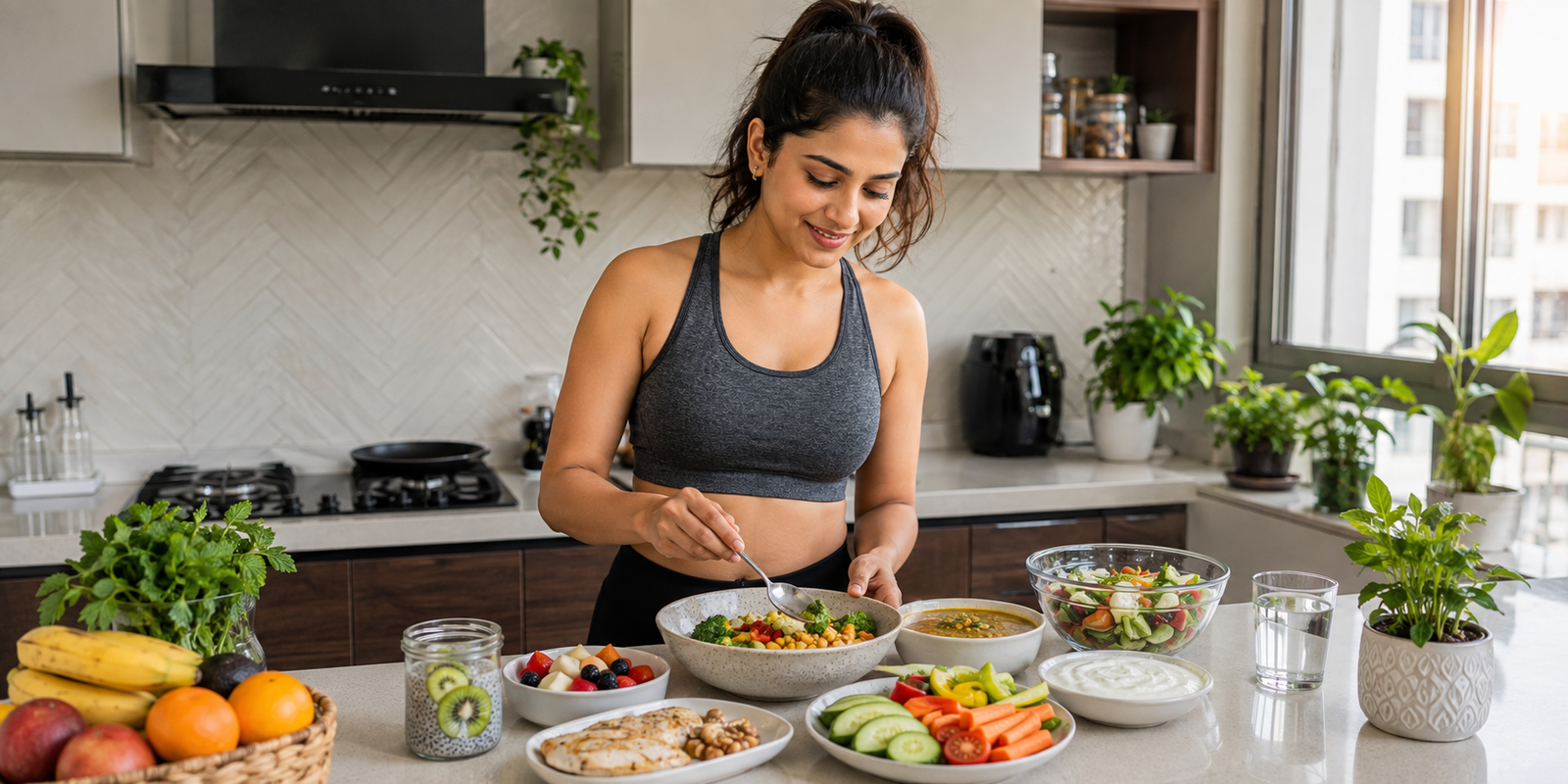
Diet Plan for Weight Loss should help you make better food choices while still enjoying normal meals. Instead of following an extreme routine, focus on balanced portions, protein, fiber, nutritious carbohydrates, hydration, and regular activity. A sustainable approach is generally easier to maintain than a short-term restrictive diet.
If you are searching for a ready-made diet chart or considering a paid meal plan, look beyond promises of rapid weight loss. A useful plan should match your food preferences, daily schedule, activity level, budget, and health needs.
Why a Diet Plan for Weight Loss Needs a Practical Approach
The best plan is not necessarily the one with the longest list of forbidden foods. Your calorie needs depend on factors including age, body size, metabolism, and activity level, so two people may need different portions even when eating similar foods.
For Indian households, this means you do not have to abandon familiar foods. Dal, roti, rice, vegetables, curd, eggs, beans, paneer, tofu, fish, and chicken can all fit into a balanced eating pattern when portions and preparation methods are sensible.

7 Smart Ways to Eat and Slim Down
1. Build Balanced Meals
Make vegetables a major part of lunch and dinner, then add a protein source and a sensible portion of carbohydrates. For example, dal with mixed vegetables, salad, curd, and two appropriately sized rotis can be more practical than removing carbohydrates completely.
2. Prioritize Protein and Fiber
Include eggs, dal, beans, curd, paneer, tofu, fish, or lean meat according to your preferences. Add vegetables, fruits, oats, and whole grains for fiber and nutrients. This combination can make meals more satisfying and easier to manage.
3. Choose Better Carbohydrate Portions
Rice and roti do not automatically make a diet unsuitable for weight loss. Instead, pay attention to quantity and pair carbohydrates with vegetables and protein. Whole-grain options can also provide more fiber than refined alternatives.
4. Make Hydration a Daily Habit
Keep water easily available throughout the day. Frequent sugary drinks, sweetened coffees, and packaged juices can add calories without making you feel as satisfied as a balanced meal. Replacing some of these drinks with water is a simple change worth testing.
5. Control Portions
Portion size matters alongside food quality. Serve meals on a plate rather than eating directly from packets, use smaller bowls when appropriate, and eat slowly. When dining out, consider sharing a large meal or taking part of it home.
6. Plan Snacks and Cravings
Keep practical options such as fruit, curd, roasted chana, or a small portion of unsalted nuts available. You can also include an occasional favorite food instead of creating a rigid “never eat this” rule. The goal is to make your overall routine sustainable.

7. Add Regular Physical Activity
A diet works better as part of an active lifestyle. Brisk walking, cycling, swimming, dancing, strength training, or recreational sports can all contribute to a healthier routine. Adults are generally advised to work toward at least 150 minutes of moderate aerobic activity each week, with muscle-strengthening activities on at least two days.
How to Choose a Weight-Loss Meal Plan
If you are considering buying a structured meal plan, check what you are actually getting before paying. Look for realistic meals, flexible food choices, portion guidance, clear nutritional information, and support for maintaining habits rather than dramatic promises.
Avoid plans that rely on starvation, detox claims, unnecessary food restrictions, or guaranteed rapid results. A credible program should consider your nutritional needs and activity level and should encourage sustainable lifestyle changes.

Simple Daily Meal Structure
Use this as a flexible starting framework rather than a personalized prescription.
| Meal | Practical food choices |
|---|---|
| Breakfast | Vegetable poha, oats with fruit, eggs with whole-grain toast, or curd with fruit |
| Lunch | Dal or another protein, vegetables, salad, and a moderate roti or rice portion |
| Snack | Fruit, curd, roasted chana, or a small portion of nuts |
| Dinner | Vegetables with dal, paneer, tofu, fish, or chicken plus a sensible carbohydrate portion |
Your exact portions should reflect your individual needs. If you have a medical condition, take medications affected by diet, or need a medically supervised weight-loss approach, consult a qualified healthcare professional before making major dietary changes.
Foods and Habits to Limit
You do not need to completely eliminate every favorite food. Instead, reduce frequent intake of sugary drinks, oversized portions, heavily fried foods, desserts, and highly processed snacks. Keep healthier options visible and convenient so the easier choice is often the better one.
Meal preparation can make this easier. Prepare vegetables, dal, eggs, curd, or other staples ahead of time and make a simple grocery list before shopping. This can reduce last-minute dependence on takeout or convenience foods.

Conclusion
A successful Diet Plan for Weight Loss should give you a realistic way to eat better, manage portions, stay active, and continue your routine over time. The seven smart ways above provide a simple framework without requiring extreme restrictions.
If you are choosing a ready-made meal plan, prioritize realistic food choices, flexibility, nutritional balance, and sustainable habits over dramatic promises. The right approach is one you can actually follow consistently.