



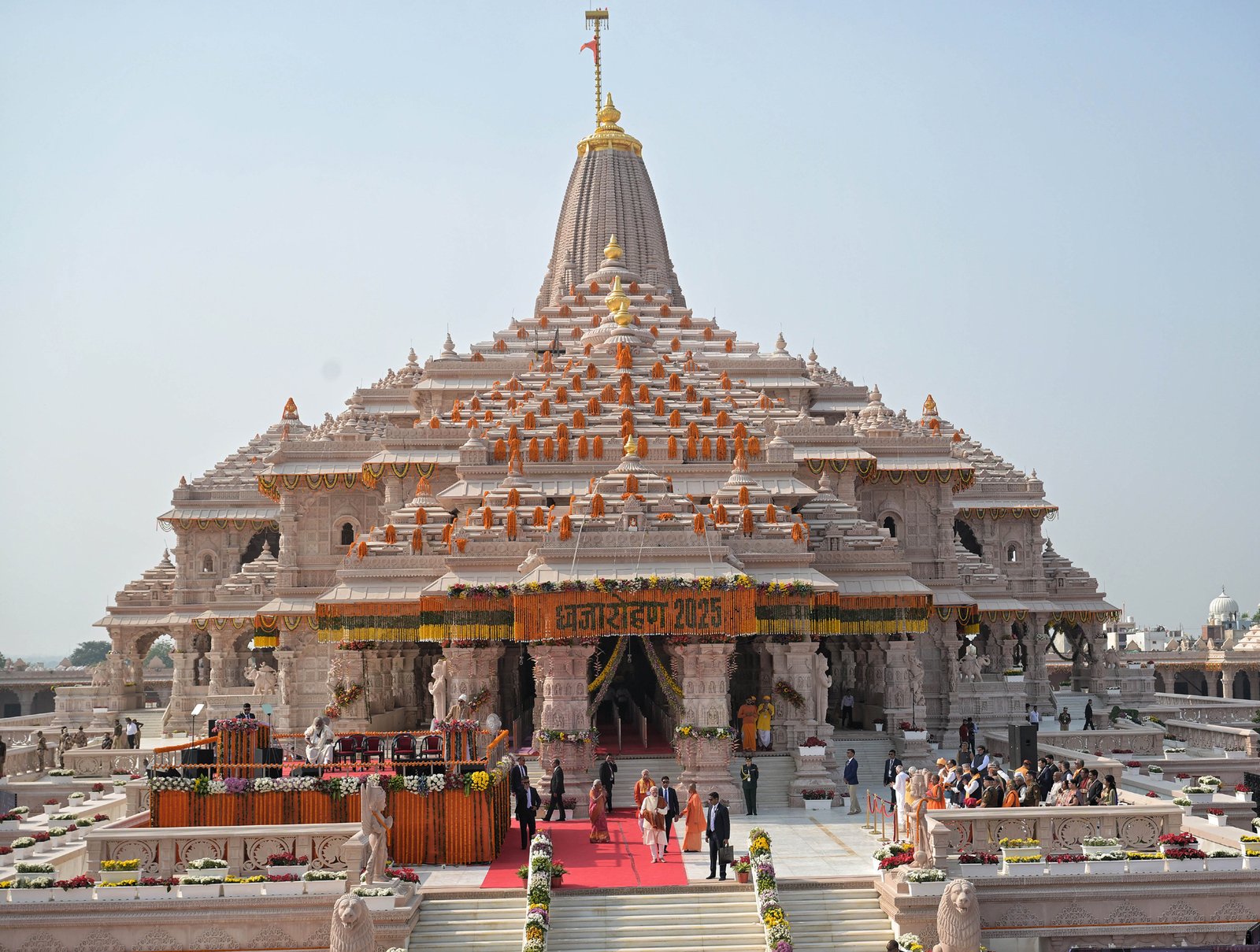
Ram Mandir Ayodhya is one of the holiest temples in Hinduism and a symbol of faith, devotion, and cultural heritage. Located in the sacred city of Ayodhya in Uttar Pradesh, the temple is believed to stand at the birthplace of Lord Rama, the seventh incarnation of Lord Vishnu. Every year, millions of devotees and tourists visit this spiritual destination to seek blessings and experience its peaceful atmosphere.
Beyond being a place of worship, Ram Mandir Ayodhya represents the values of truth, righteousness, courage, and compassion that Lord Rama demonstrated throughout his life. The temple has become a significant landmark that connects ancient Hindu traditions with modern India, making it an important destination for pilgrims, history enthusiasts, and travelers alike.
Whether you are planning a pilgrimage or simply wish to understand its religious and historical significance, this guide explains why Ram Mandir Ayodhya continues to hold a special place in the hearts of millions of Hindus across the world.
Religious Importance of Ram Mandir Ayodhya
For Hindus, Lord Rama is not only worshipped as a deity but also respected as the ideal king, son, husband, and leader. His life, described in the ancient epic Ramayana, teaches values such as honesty, sacrifice, discipline, compassion, and devotion to duty. Since Ayodhya is believed to be the birthplace of Lord Rama, the city has remained one of Hinduism’s most sacred pilgrimage destinations for centuries.
Ram Mandir Ayodhya provides devotees with a place where they can offer prayers, meditate, and strengthen their spiritual connection. Many visitors believe that seeking blessings at this temple brings inner peace and inspires them to follow the principles of righteousness taught by Lord Rama.
Today, the temple welcomes people from different regions and cultures, making it not only a center of worship but also a place where India’s rich spiritual traditions continue to thrive.
Why Millions of Hindus Visit Ram Mandir Ayodhya
People visit Ram Mandir Ayodhya for several meaningful reasons:
- To seek the blessings of Lord Rama.
- To visit the sacred birthplace of Lord Rama.
- To experience peace through prayer and meditation.
- To participate in religious festivals and daily rituals.
- To learn about Hindu history and traditions.
- To admire the temple’s remarkable architecture.
- To strengthen their faith through pilgrimage.
- To explore the spiritual heritage of Ayodhya.
Historical Background of Ram Mandir Ayodhya
The history of Ram Mandir Ayodhya is deeply connected to India’s religious traditions and cultural heritage. Ancient Hindu scriptures, especially the Ramayana, identify Ayodhya as the birthplace of Lord Rama. Because of this belief, the city has attracted pilgrims for thousands of years and continues to be one of the most respected pilgrimage sites in the country.
Over the centuries, the temple site became the focus of historical discussions, archaeological studies, and legal proceedings. After years of careful examination and judicial decisions, the construction of the present Ram Mandir began using traditional Indian temple architecture while incorporating modern engineering techniques to ensure long-lasting strength and safety.
Thousands of skilled artisans contributed to the construction by hand-carving sandstone pillars, decorative sculptures, and intricate architectural details. The result is a magnificent temple that beautifully reflects India’s ancient craftsmanship while meeting modern construction standards.
Major Historical Highlights
| Year/Period | Historical Significance |
|---|---|
| Ancient Era | Hindu scriptures identify Ayodhya as the birthplace of Lord Rama. |
| Centuries Later | Ayodhya became one of Hinduism’s most important pilgrimage cities. |
| Modern Period | Archaeological studies and legal proceedings shaped the temple’s future. |
| Present Day | Ram Mandir stands as a symbol of faith, culture, and Indian heritage. |

Why Ayodhya Is Sacred in Hinduism
Ayodhya is regarded as one of the Sapta Puri, the seven holiest cities in Hinduism that are believed to lead devotees toward spiritual liberation. According to the Ramayana, this ancient city was the capital of the Kosala Kingdom and the birthplace of Lord Rama. Because of this deep religious connection, Ayodhya has remained a major pilgrimage destination for centuries.
Apart from Ram Mandir Ayodhya, the city is home to several sacred places that hold religious importance. Pilgrims often spend a full day or more exploring these sites to better understand the life and legacy of Lord Rama.
Important Places to Visit in Ayodhya
- Hanuman Garhi – One of the most famous temples dedicated to Lord Hanuman.
- Kanak Bhawan – A beautiful temple associated with Lord Rama and Goddess Sita.
- Saryu River Ghat – A peaceful place where devotees take a holy dip and attend the evening aarti.
- Dashrath Mahal – Believed to be the royal residence of King Dashrath, Lord Rama’s father.
- Nageshwarnath Temple – An ancient Shiva temple with historical significance.
Temple Architecture and Design
Ram Mandir Ayodhya is a remarkable example of traditional Nagara-style architecture, showcasing India’s rich temple-building heritage. Built primarily from high-quality sandstone, the temple features beautifully carved pillars, grand entrances, intricate sculptures, and detailed craftsmanship inspired by ancient Indian architectural principles.
The temple has been designed to accommodate large numbers of devotees while preserving its spiritual ambiance. Every architectural element, from the ornate ceilings to the finely sculpted walls, reflects the dedication and expertise of skilled artisans. Visitors are often impressed by the harmonious blend of religious symbolism and artistic excellence, making the temple both a place of worship and a masterpiece of Indian architecture.

Major Festivals Celebrated at Ram Mandir Ayodhya
The temple comes alive during major Hindu festivals, attracting thousands of devotees from across India and abroad. These celebrations offer visitors a unique opportunity to experience the vibrant traditions and devotional spirit of Ayodhya.
Key Festivals
- Ram Navami – Celebrates the birth of Lord Rama with grand prayers, processions, and devotional music.
- Diwali (Deepotsav) – Ayodhya is illuminated with millions of lamps, creating a breathtaking spiritual atmosphere.
- Vivah Panchami – Commemorates the divine marriage of Lord Rama and Goddess Sita.
- Makar Sankranti – Pilgrims gather for holy rituals and prayers.
- Sharad Purnima – Special ceremonies and devotional programs are organized at the temple.
These festivals not only strengthen religious faith but also highlight India’s rich cultural heritage and centuries-old traditions.
Visitor Information and Travel Tips
If you are planning a visit to Ram Mandir Ayodhya, a little preparation can make your journey more comfortable and meaningful.
Helpful Travel Tips
- Visit early in the morning to avoid large crowds.
- Wear modest and comfortable clothing suitable for a religious place.
- Carry a valid ID if required by local authorities.
- Follow the temple’s security guidelines and photography rules.
- Keep drinking water and comfortable footwear for walking around Ayodhya.
- Respect local customs and maintain silence inside the temple premises.
- Explore nearby attractions to make the most of your trip.
Conclusion
Ram Mandir Ayodhya is far more than a magnificent temple—it is a timeless symbol of faith, devotion, and India’s cultural identity. For millions of Hindus, it represents the birthplace of Lord Rama and serves as a source of spiritual inspiration rooted in the teachings of the Ramayana. At the same time, its remarkable architecture and historical importance make it an attraction for travelers interested in India’s heritage.
Whether you visit for religious reasons, cultural exploration, or historical interest, Ram Mandir Ayodhya offers an unforgettable experience that reflects the enduring values of truth, compassion, and righteousness. A journey to this sacred city is not just a visit to a temple but an opportunity to connect with one of India’s most cherished spiritual traditions.