



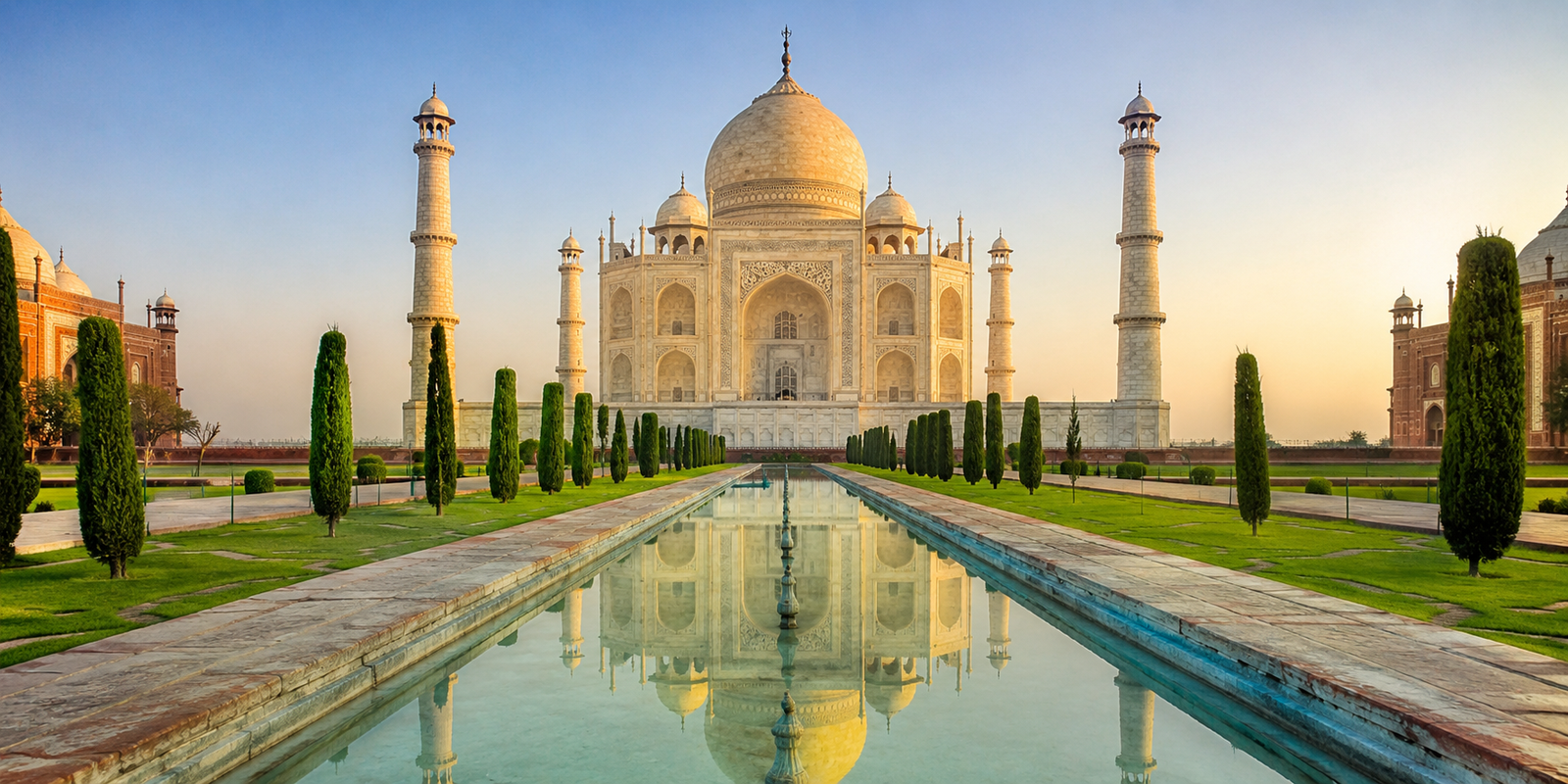
Taj Mahal is one of the world’s most iconic monuments and a symbol of eternal love. Located in Agra, Uttar Pradesh, this UNESCO World Heritage Site attracts millions of visitors every year. Beyond its breathtaking white marble beauty, the monument has fascinating stories, remarkable engineering, and several hidden details that many tourists never notice. Whether you’re planning your first visit or simply exploring India’s rich heritage, this guide covers everything from history and architecture to tickets, timings, and practical travel tips.
Why the Taj Mahal Is a Global Wonder
The Taj Mahal is more than just a beautiful monument. Commissioned by the Mughal Emperor Shah Jahan in memory of his beloved wife Mumtaz Mahal, it represents exceptional craftsmanship and timeless architectural brilliance. Built over two decades using white Makrana marble, the monument reflects changing shades throughout the day depending on sunlight and weather conditions.
Today, travelers from across the globe visit the Taj Mahal to admire its intricate carvings, peaceful gardens, and historical significance. Moreover, its perfect symmetry and detailed artistry make it one of the finest examples of Mughal architecture.
What Makes the Taj Mahal Unique?
Several factors make this monument truly extraordinary:
- Built using premium white marble
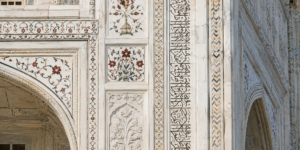
- Features stunning floral inlay work
- Perfectly symmetrical architectural design
- UNESCO World Heritage Site
- Recognized as one of the New Seven Wonders of the World
History Behind the Taj Mahal
Construction of the Taj Mahal began in 1632 after the death of Mumtaz Mahal and continued for approximately 22 years. More than 20,000 skilled artisans, craftsmen, and laborers contributed to its creation. Precious stones from different regions of Asia were used to decorate the marble walls with intricate floral patterns.
Although the monument is widely known as a symbol of love, it also showcases the artistic excellence of the Mughal Empire. Every arch, dome, and decorative panel reflects careful planning and remarkable engineering.
Interesting Historical Facts
Many visitors are surprised to learn that the Taj Mahal changes color throughout the day. At sunrise, it appears slightly pink, turns bright white during the afternoon, and develops a golden glow under moonlight.
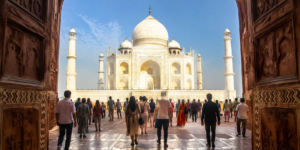
Another fascinating feature is the optical illusion created by the main entrance. As visitors walk closer, the monument appears to change in size because of the clever architectural design.
Taj Mahal Architecture and Hidden Secrets
The architecture of the Taj Mahal combines Persian, Islamic, and Indian influences into a masterpiece that has stood for centuries. Every detail, from the grand central dome to the elegant minarets, was carefully designed to create harmony and balance.
One hidden secret many travelers miss is that the four minarets surrounding the monument are slightly tilted outward. This ingenious design helps protect the main structure during earthquakes by directing any potential collapse away from the central mausoleum.
Another remarkable detail is the calligraphy decorating the entrance. The letters gradually increase in size toward the top, creating an optical illusion that makes them appear uniform when viewed from ground level.

Visitor Information: Tickets and Timings
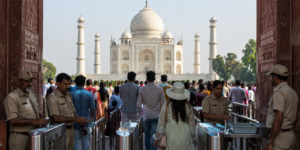
Planning ahead can make your visit to the Taj Mahal much more enjoyable. Booking tickets online helps you avoid long queues, especially during weekends and holidays. Visitors should also carry a valid photo ID and arrive early to enjoy a peaceful experience before the crowds increase.
The monument remains closed every Friday as it is reserved for prayers at the nearby mosque. Therefore, check the latest ticket prices and timings on the official website before planning your trip.
Quick Visitor Information
| Information | Details |
|---|---|
| Location | Agra, Uttar Pradesh, India |
| Opening Days | Saturday to Thursday |
| Closed | Friday |
| Opening Time | Sunrise |
| Closing Time | Sunset |
| Best Duration | 2–3 Hours |
| UNESCO Status | World Heritage Site |
Best Time to Visit the Taj Mahal
The ideal time to visit the Taj Mahal is between October and March, when the weather is pleasant and comfortable for sightseeing. Early mornings are particularly rewarding because the monument is less crowded, and the soft sunlight enhances the beauty of the white marble.
If you enjoy photography, sunrise offers the best natural lighting. However, evening visits also provide a peaceful atmosphere with warm golden tones that create stunning views.
Seasonal Travel Tips
- Visit early in the morning to avoid crowds.
- Carry water and wear comfortable walking shoes.
- Winter months offer the most comfortable weather.
- Avoid visiting during peak afternoon heat in summer.
- Keep your camera ready for changing light conditions.
Photography Tips and Visitor Guidelines
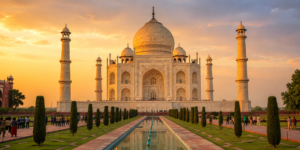
The Taj Mahal is one of the most photographed landmarks in the world, making it a dream destination for photography enthusiasts. The long reflecting pool in the main garden provides one of the most iconic compositions, while side pathways offer unique perspectives that are often less crowded.
Respect the monument by following all visitor guidelines. Avoid touching delicate marble surfaces, dispose of waste responsibly, and follow security instructions throughout your visit. Preserving this historic treasure ensures future generations can appreciate its beauty.
Nearby Attractions in Agra
After exploring the Taj Mahal, consider visiting other famous attractions in Agra. Agra Fort showcases impressive Mughal architecture and offers panoramic views of the Taj Mahal from certain sections. Mehtab Bagh, located across the Yamuna River, is another excellent spot for photography, especially at sunset.
If you have extra time, explore the local markets to shop for marble handicrafts, leather products, and traditional sweets such as Agra Petha. These experiences provide a deeper understanding of the city’s rich culture and heritage.
Final Thoughts
The Taj Mahal is far more than a magnificent marble monument. It is a timeless masterpiece that combines history, architecture, romance, and exceptional craftsmanship into one unforgettable destination. Whether you are interested in Mughal history, cultural heritage, or travel photography, a well-planned visit will leave you with lasting memories. By choosing the right season, arriving early, and following practical travel tips, you can experience one of India’s greatest treasures at its very best.