



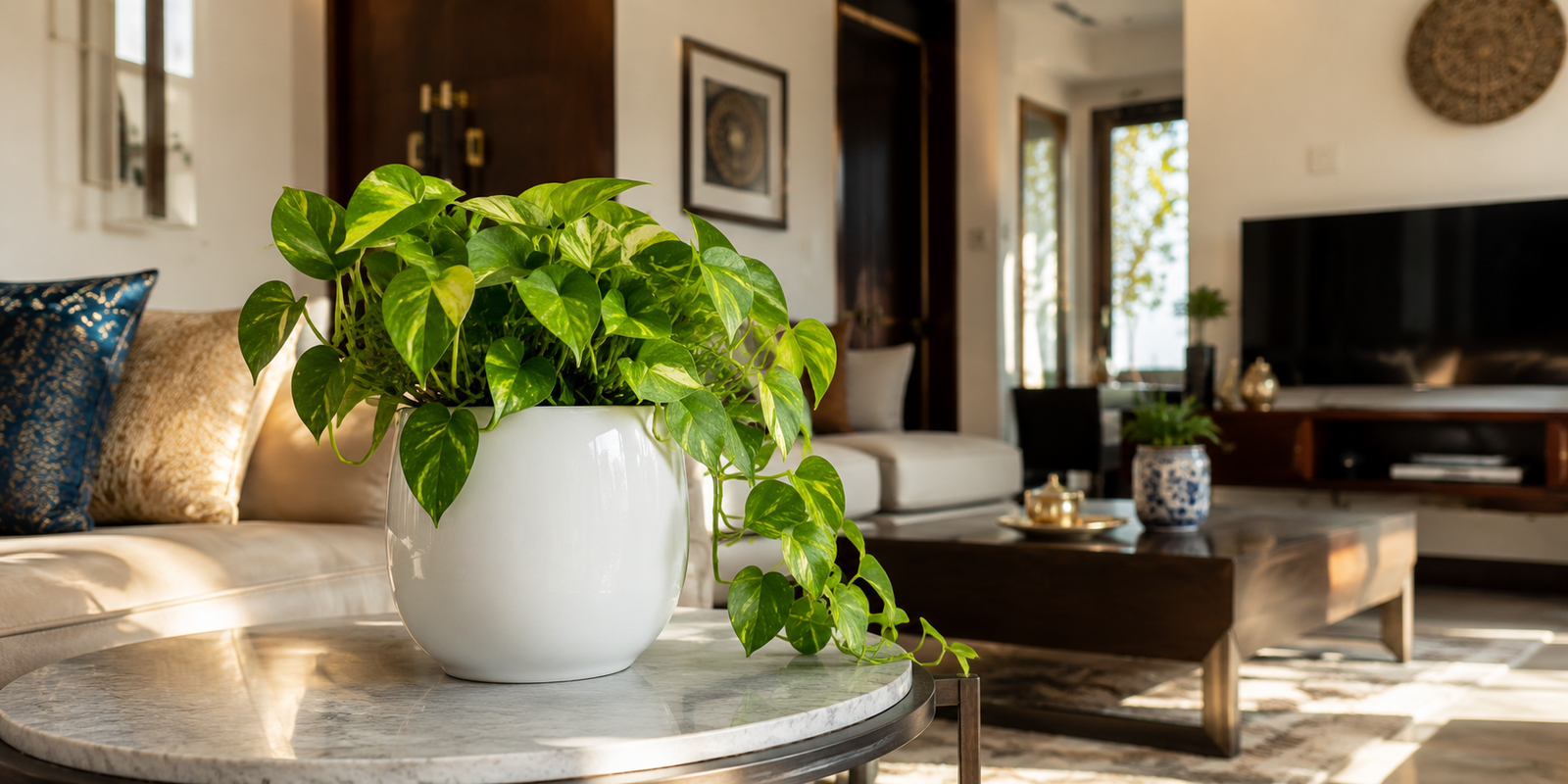
Money plant is one of the easiest indoor plants to grow and maintain. Whether you are decorating your home, improving indoor greenery, or starting your gardening journey, this beautiful vine is an excellent choice. With the right care, a money plant can stay healthy, produce vibrant green leaves, and continue growing throughout the year.
Many people believe a money plant brings positivity and prosperity. While these beliefs vary, there is no doubt that a healthy plant makes any indoor space feel fresher and more welcoming. Fortunately, growing one successfully requires only a few simple habits.
Why Choose a Money Plant?
A money plant is popular because it adapts well to indoor conditions and requires minimal maintenance. It grows in both soil and water, making it suitable for homes, offices, and apartments.
Some key advantages include:
- Easy for beginners
- Attractive green foliage
- Suitable for indoor decoration
- Simple to propagate from cuttings
- Can grow throughout the year with proper care
Choosing the Right Spot
Location plays a major role in keeping your money plant healthy. Bright indirect sunlight is ideal because harsh afternoon sun may burn the leaves. Therefore, place the plant near a window where it receives filtered natural light.
If natural light is limited, the plant can still survive indoors, although its growth may become slower. Rotating the pot every few weeks also helps all sides receive even light.
Watering and Soil Tips
Watering is one of the most important parts of money plant care. Overwatering is a common mistake that leads to root rot, while underwatering can cause dry leaves.
Allow the top layer of soil to dry slightly before watering again. During hot weather, watering may be needed more frequently than during winter.
| Care Factor | Recommended Practice |
|---|---|
| Sunlight | Bright indirect light |
| Watering | When top soil becomes dry |
| Soil | Well-draining potting mix |
| Temperature | 18–30°C |
| Fertilizer | Once every 4–6 weeks |
A lightweight potting mix containing compost and good drainage material helps the roots remain healthy.

Fertilizer and Pruning Guide
Although a money plant grows without frequent feeding, a balanced liquid fertilizer every four to six weeks during the growing season encourages stronger growth.
Pruning is equally beneficial. Removing yellow, damaged, or overgrown stems allows the plant to produce fresh leaves. Moreover, regular trimming helps maintain a fuller appearance instead of long, thin vines.
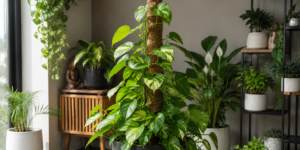
If the vines become too long, you can also support them with a moss pole or trellis for vertical growth.
Common Problems and Solutions
Even though money plants are hardy, a few problems may appear over time.
Yellow leaves often indicate overwatering. Brown leaf edges usually suggest low humidity or inconsistent watering. Slow growth may result from poor lighting or nutrient deficiency.
Inspect the leaves regularly for pests like mealybugs or spider mites. Cleaning the leaves with a damp cloth and maintaining good airflow helps prevent infestations naturally.
Simple Money Plant Care Tips
Developing a simple care routine makes a noticeable difference.
- Avoid keeping the soil constantly wet.
- Clean dust from leaves every few weeks.
- Repot the plant when roots outgrow the container.
- Keep the plant away from intense afternoon sunlight.
- Trim unhealthy stems regularly.
- Use clean water for watering and propagation.
These small habits help your indoor plant remain healthy and attractive throughout the year.
Conclusion
Money plant care is simple when you focus on the basics—proper light, balanced watering, healthy soil, and occasional pruning. By following these easy practices, you can enjoy a vibrant indoor plant that adds freshness and beauty to your home for years. Whether you are a beginner or an experienced plant lover, consistent care is the secret to healthy growth.